
Beginner Guide to Bullet Journaling: Organize Your Life with Ease
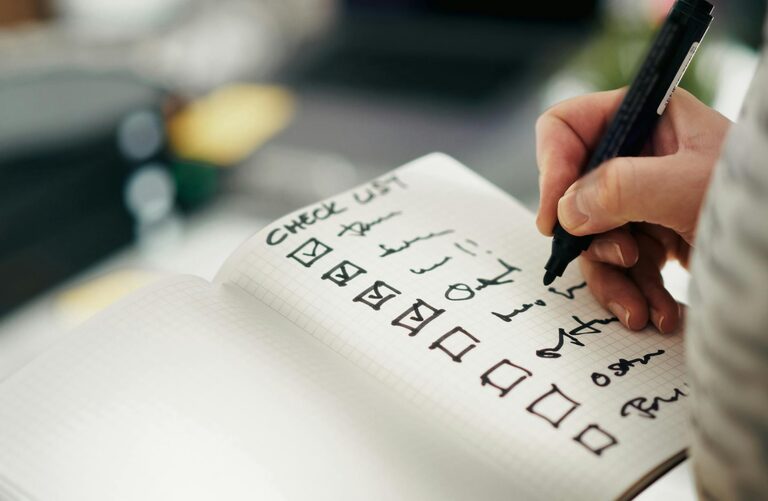
Bullet journaling has become a popular way to organize tasks, track habits, and express creativity all in one customizable notebook. If you’re new to the concept, this beginner guide will walk you through what bullet journaling is, its key components, and practical steps to start your own bullet journal today.
What Is Bullet Journaling?
At its core, bullet journaling is a flexible system created by Ryder Carroll to help people manage their time and goals effectively. Unlike traditional planners, a bullet journal combines to-do lists, calendars, notes, and habit trackers in a single notebook. It is highly adaptable, allowing you to design layouts that fit your unique needs.
Why Try Bullet Journaling?
– Customization: Create pages and spreads tailored to your lifestyle.
– Organization: Keep track of tasks, events, and goals all in one place.
– Productivity: Use concise “bullet” points to prioritize and complete tasks.
– Creativity: Add doodles, colors, and stickers to make planning enjoyable.
– Mindfulness: Reflect on habits and progress regularly.
Essential Supplies to Get Started
You don’t need fancy tools to begin bullet journaling. Here are some basic items to gather before you start:
– Notebook: A dotted or grid notebook works best, but lined or blank pages are fine too.
– Pen: Choose a reliable pen or set of pens in your favorite colors.
– Ruler: For drawing straight lines and neat layouts.
– Optional: Colored markers, stickers, washi tape for decoration.
Setting Up Your Bullet Journal
1. Index
The index acts as a table of contents for your journal. Number your pages as you go and record important sections here for quick reference.
2. Future Log
This is a yearly overview where you jot down upcoming events, appointments, or deadlines. It helps you plan ahead and avoid forgetting significant dates.
3. Monthly Log
Each month gets its own spread, typically a calendar or list of dates with tasks and events assigned. This helps you focus on what’s happening now.
4. Daily Log
Here’s where daily tasks, notes, and reminders live. Use short sentences or bullet points to keep it quick and easy.
Basic Bullet Journal Symbols
To keep your system organized, bullet journaling uses simple symbols:
– Task: • (a bullet point) for regular tasks
– Completed Task: X marks finished tasks
– Event: ○ for appointments or events
– Priority: * stars or exclamation marks highlight urgent tasks
– Notes: – dashes for additional information or ideas
Feel free to personalize these symbols as you prefer.
Creating Your First Pages
Start by setting up the index and future log. Then create the current month’s spread with space for your goals, important dates, and tasks. Finally, add the daily logs as you go.
Tips for Staying Consistent
– Keep it simple: Don’t overcomplicate your layouts. Start with basic lists.
– Be flexible: Adapt your system if something isn’t working.
– Set time: Spend a few minutes each morning or evening updating your journal.
– Review regularly: Reflect on what you accomplished and what to improve.
– Use it daily: Make the journal part of your routine for maximum benefit.
Fun Additions to Try
Once you’re comfortable, consider adding these creative elements:
– Habit Tracker: Log daily habits like water intake or exercise.
– Mood Tracker: Chart your emotions throughout the month.
– Gratitude Log: Write down things you’re thankful for regularly.
– Brain Dump: A page to capture all your random thoughts and ideas.
– Goals Page: Define and track short- and long-term goals.
Digital vs. Analog Bullet Journaling
Some people prefer digital tools or apps for bullet journaling, which offer easy editing and reminders. However, many enjoy the tactile experience and creativity of using a physical notebook. Choose the format that feels most natural to you.
Final Thoughts
Bullet journaling is a versatile and enjoyable way to stay organized, motivated, and mindful. It’s more than just a planner — it’s a personal tool that reflects your needs and style. Whether you prefer minimalist layouts or artistic spreads, the key is to start simply and build your system gradually. Happy bullet journaling!
—
With a little practice, your bullet journal can become an indispensable companion for managing daily life and inspiring creativity. Give it a try and see how it transforms the way you organize your world.